
Sustainable Development Goals: Challenges and Opportunities
Sinopse
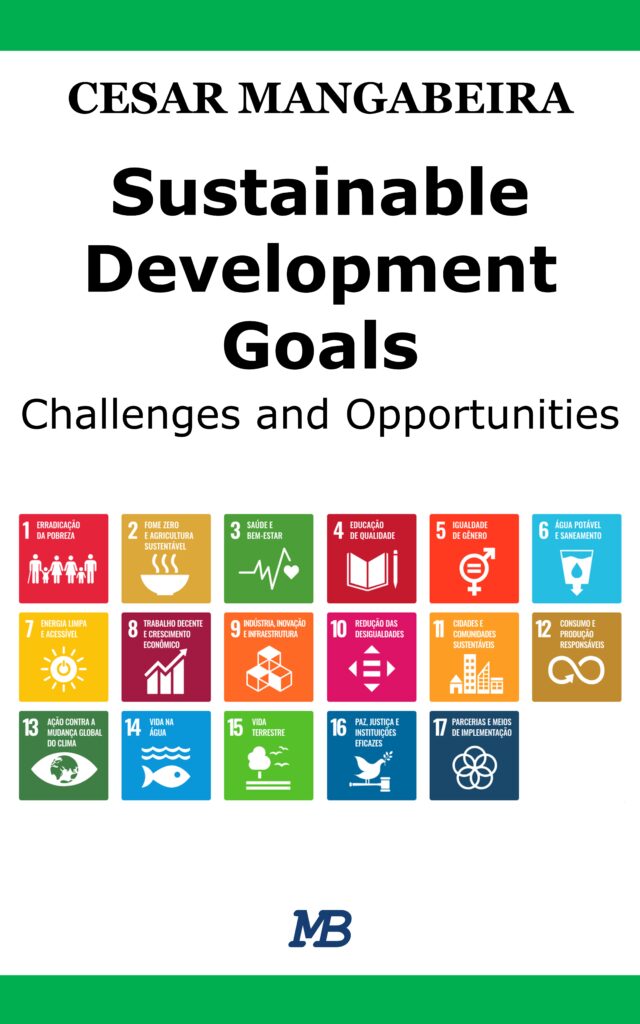
The world’s greatest challenges are creating some of the greatest economic opportunities of the coming decades. As governments, businesses, and investors direct trillions of dollars toward initiatives related to sustainability, innovation, clean energy, infrastructure, education, healthcare, and social transformation, one question emerges: who will be prepared to seize these opportunities?
This book was written to help you see what many people have not yet recognized. Behind the Sustainable Development Goals lie powerful economic trends, expanding markets, new business models, investment opportunities, emerging professional demands, and sectors that will continue to attract growing attention from companies, governments, and institutions around the world.
Throughout this work, you will gain a practical, strategic, and market-oriented understanding of all 17 Sustainable Development Goals. More than simply learning concepts, you will discover how to interpret the forces reshaping entire industries and creating new opportunities for professionals, entrepreneurs, consultants, executives, and organizations.
One of the book’s greatest strengths is its dedicated analysis of challenges and opportunities within every SDG. This approach helps readers identify unmet needs, high-growth sectors, innovation possibilities, emerging societal demands, and trends capable of generating economic value and competitive advantage. Many of the ideas that will drive future businesses, projects, careers, and investments will emerge from the search for solutions to the challenges addressed by the SDGs.
You will discover how areas such as clean energy, the circular economy, sustainable agriculture, social inclusion, technology, education, healthcare, smart cities, governance, and environmental conservation are evolving from social concerns into powerful engines of economic growth and wealth creation on a global scale.
For businesses, this book provides strategic insights into trends that can open new markets, strengthen competitive positioning, and inspire products, services, and initiatives aligned with future demands. For professionals, it offers knowledge that can broaden market perspective, reveal career opportunities, and highlight increasingly valuable skills. For entrepreneurs, it serves as a continuous source of ideas connected to real-world problems waiting for innovative solutions.
If you want to understand where the world is heading and identify where the next opportunities for growth, innovation, and value creation may emerge, this book offers far more than an introduction to sustainability. It presents a new way of viewing global challenges as concrete opportunities to create impact, develop projects, and achieve meaningful results in a rapidly changing world.
Disponível nas principais livrarias e plataformas digitais.
Sumário
Introduction
Chapter 1 – SDG 1: Eradication of Poverty
1.1. Introduction: the global challenge of poverty
1.2. Poverty and its multiple dimensions
1.3. Social protection systems and human development
1.4. Education and training for social transformation
1.5. Reduction of vulnerabilities and social strengthening
1.6. Economic inclusion and generation of opportunities
1.7. Public resources and transformation strategies
1.8. Challenges and opportunities for poverty eradication
1.9. Conclusion: paths toward a future without poverty
Chapter 2 – SDG 2: zero hunger and sustainable agriculture
2.1. Introduction: food security and the challenges of global hunger
2.2. Goals for hunger eradication and nutrition improvement
2.3. Small producers and sustainable agriculture
2.4. Resilient agricultural practices and environmental preservation
2.5. Genetic diversity and strengthening agricultural resilience
2.6. Rural infrastructure and technological innovation in the countryside
2.7. Global trade and stability of food markets
2.8. Challenges and opportunities for sustainable food security
2.9. Conclusion: paths toward the eradication of global hunger
Chapter 3 – SDG 3: health and well-being
3.1. Introduction: global health and quality of life in contemporary societies
3.2. Reduction of maternal and child mortality
3.3. Eradication of epidemics and infectious diseases
3.4. Mental health and prevention of non-communicable diseases
3.5. Control of substance abuse and promotion of well-being
3.6. Traffic safety and urban infrastructure
3.7. Universal access to sexual, reproductive, and healthcare coverage
3.8. Challenges and opportunities for promoting health and well-being
3.9. Conclusion: health as the foundation for sustainability and prosperity
Chapter 4 – SDG 4: quality education
4.1. Introduction: education as the foundation for social transformation and human development
4.2. Inclusive basic education and access to quality learning
4.3. Early childhood education and the foundations of human development
4.4. Equitable access to technical training and higher education
4.5. Reduction of inequalities and promotion of educational inclusion
4.6. Knowledge, sustainability, and education for the future
4.7. Educational infrastructure and the value of teacher training
4.8. Challenges and opportunities for quality education
4.9. Conclusion: education as the foundation of sustainable progress
Chapter 5 – SDG 5: gender equality
5.1. Introduction: gender equality and the transformation of contemporary societies
5.2. Gender discrimination in work and social life
5.3. Combating violence against women and girls
5.4. Overcoming harmful practices and expanding opportunities
5.5. Valuing domestic work and promoting equity
5.6. Female leadership and participation in global decisions
5.7. Sexual health, reproductive rights, and access to resources
5.8. Challenges and opportunities for gender equality
5.9. Conclusion: gender equality as a path toward a fairer future
Chapter 6 – SDG 6: clean water and sanitation
6.1. Introduction: water, sanitation, and quality of life in modern societies
6.2. Integrated management and preservation of water resources
6.3. Efficient water use and waste reduction
6.4. Basic sanitation and impacts on public health
6.5. Reuse technologies, recycling, and water innovation
6.6. Protection of water ecosystems and environmental balance
6.7. Community participation and international cooperation for water
6.8. Challenges and opportunities for clean water and sanitation
6.9. Conclusion: water and sanitation as pillars of sustainable development
Chapter 7 – SDG 7: affordable and clean energy
7.1. Introduction: sustainable energy and the challenges of the global energy transition
7.2. Universal access to energy and reduction of energy inequalities
7.3. Renewable energy and transformation of the energy matrix
7.4. Energy efficiency, competitiveness, and cost reduction
7.5. International cooperation and transfer of energy technologies
7.6. Energy infrastructure and modernization of distribution systems
7.7. Technological innovation and sustainability in the energy sector
7.8. Challenges and opportunities for clean and affordable energy
7.9. Conclusion: clean energy as a foundation for sustainable development
Chapter 8 – SDG 8: decent work and economic growth
8.1. Introduction: economic growth, inclusion, and transformation of work
8.2. Sustainable growth and technological innovation in the global economy
8.3. Small businesses, entrepreneurship, and economic development
8.4. Corporate sustainability and environmental responsibility
8.5. Decent work and inclusion in the labor market
8.6. Labor rights and combat against harmful labor practices
8.7. Strategic sectors, job creation, and financial inclusion
8.8. Challenges and opportunities for decent work and economic growth
8.9. Conclusion: work and economic growth for more inclusive societies
Chapter 9 – SDG 9: industry, innovation, and infrastructure
9.1. Introduction: innovation, infrastructure, and development in contemporary economies
9.2. Resilient infrastructure and sustainable economic development
9.3. Inclusive industrialization and productive transformation
9.4. Innovation, research, and technological advancement as engines of growth
9.5. Access to financial services and integration into value chains
9.6. Sustainable infrastructure and development in emerging economies
9.7. Digital inclusion and universal access to connectivity
9.8. Challenges and opportunities for industry, innovation, and infrastructure
9.9. Conclusion: innovation and infrastructure for a more sustainable future
Chapter 10 – SDG 10: reducing inequalities
10.1. Introduction: global inequalities and the challenges of social inclusion
10.2. Reducing inequalities within countries and among nations
10.3. Inclusive growth and expanding income generation
10.4. Equal opportunities and valuing diversity
10.5. Fiscal justice, income, and social balance
10.6. Global governance and international economic stability
10.7. Migration, international cooperation, and human development
10.8. Challenges and opportunities for reducing inequalities
10.9. Conclusion: reducing inequalities for more balanced societies
Chapter 11 – SDG 11: Sustainable Cities and Communities
11.1. Introduction: urbanization, quality of life, and the challenges of contemporary cities
11.2. Decent housing and urban infrastructure for inclusive societies
11.3. Sustainable urban mobility and integrated access to cities
11.4. Cultural heritage, the environment, and preservation of urban spaces
11.5. Urban resilience and risk management in modern cities
11.6. Public spaces, social coexistence, and quality of life
11.7. Urban-rural integration and sustainable regional planning
11.8. Challenges and opportunities for sustainable cities and communities
11.9. Conclusion: sustainable cities for a more balanced future
Chapter 12 – SDG 12: responsible consumption and production
12.1. Introduction: conscious consumption and the transformation of productive models
12.2. Responsible management of natural resources and efficient energy use
12.3. Waste reduction and the strengthening of conscious consumption
12.4. Waste management, chemical products, and environmental impacts
12.5. Sustainability in productive chains and corporate responsibility
12.6. Technological innovation and new pathways toward sustainability
12.7. Sustainable tourism and local economic development
12.8. Challenges and opportunities for responsible consumption and production
12.9. Conclusion: responsible production and conscious consumption for the future
Chapter 13 – SDG 13: climate action
13.1. Introduction: climate change and the environmental challenges of the 21st century
13.2. Climate resilience and adaptation to environmental impacts
13.3. National policies and integration of climate measures
13.4. Environmental education, awareness, and social capacity building
13.5. Climate financing and mobilization of global resources
13.6. Strategic planning and climate management
13.7. Innovation, technology, and solutions for climate action
13.8. Challenges and opportunities for action against global climate change
13.9. Conclusion: climate action and the construction of a resilient future
Chapter 14 – SDG 14: life below water
14.1. Introduction: oceans, marine biodiversity, and global environmental balance
14.2. Sustainable use of marine resources and ocean preservation
14.3. Marine pollution and impacts on the health of aquatic ecosystems
14.4. Protection of marine ecosystems and coastal regions
14.5. Sustainable fishing and combating overfishing
14.6. Science, innovation, and technologies for marine conservation
14.7. Ocean governance and international cooperation
14.8. Challenges and opportunities for life below water
14.9. Conclusion: preserving the oceans for a sustainable future
Chapter 15 – SDG 15: life on land
15.1. Introduction: biodiversity, ecosystems, and preservation of life on land
15.2. Sustainable management of ecosystems and natural resources
15.3. Forest conservation, soil recovery, and environmental balance
15.4. Biodiversity protection and preservation of natural ecosystems
15.5. Combating illegal wildlife exploitation
15.6. Biodiversity and integration into development policies
15.7. Resource mobilization and community participation
15.8. Challenges and opportunities for life on land
15.9. Conclusion: preservation of life on land and ecosystem balance
Chapter 16 – SDG 16: peace, justice, and strong institutions
16.1. Introduction: peace, governance, and stability in contemporary societies
16.2. Promotion of peace and reduction of social violence
16.3. Human rights, social inclusion, and citizenship
16.4. Access to justice and strengthening of the rule of law
16.5. Combating crime, corruption, and institutional inequalities
16.6. Effective institutions, transparency, and inclusive governance
16.7. Social participation and international cooperation
16.8. Challenges and opportunities for peace, justice, and effective institutions
16.9. Conclusion: peace and strong institutions for more just societies
Chapter 17 – SDG 17: partnerships and means of implementation
17.1. Introduction: global cooperation and pathways for implementation of the SDGs
17.2. Sustainable finance and economic instruments for global transformation
17.3. Technology, innovation, and access to sustainable development
17.4. Technical training and institutional strengthening
17.5. International trade and sustainable economic stability
17.6. Systemic governance and strengthening of institutional structures
17.7. Multisector partnerships and cooperation among governments, companies, and society
17.8. Data, monitoring, and transparency in implementation of the SDGs
17.9. Challenges and opportunities for partnerships and means of implementation
17.10. Conclusion: global cooperation as a foundation for a sustainable future
Chapter 18 – Final considerations: consolidating pathways toward a sustainable future
18.1. Introduction: challenges and opportunities of global transformation
18.2. The interdependence of sustainable development goals
18.3. The urgency of coordinated actions for the future of the planet
18.4. Persistent challenges and barriers to sustainable development
18.5. The role of society in building lasting change
18.6. Strategic partnerships and international cooperation
18.7. Perspectives for the future and next pathways of sustainability
18.8. Challenges and opportunities for the global sustainable future
18.9. Conclusion: building a more sustainable, inclusive, and resilient future
Epilogue
Disponível nas principais livrarias e plataformas digitais.